



Description
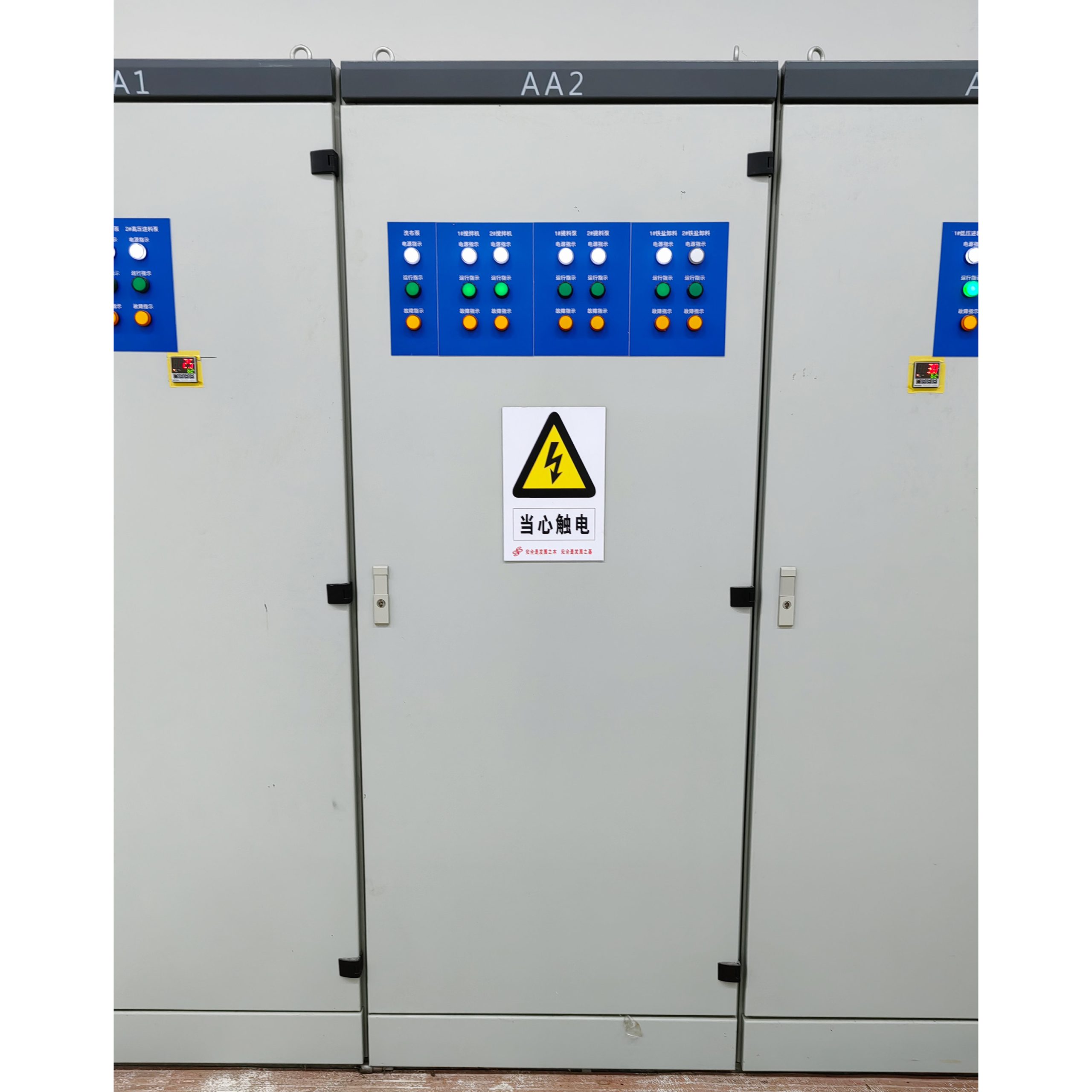
Our precision control panels house the relays, contactors, PLCs, power supplies and operator devices that run machines and processes. Each one is designed around your schematic and site conditions, then wired, labelled and tested in our Hangzhou factory.
Electrical Control Cabinet Overview
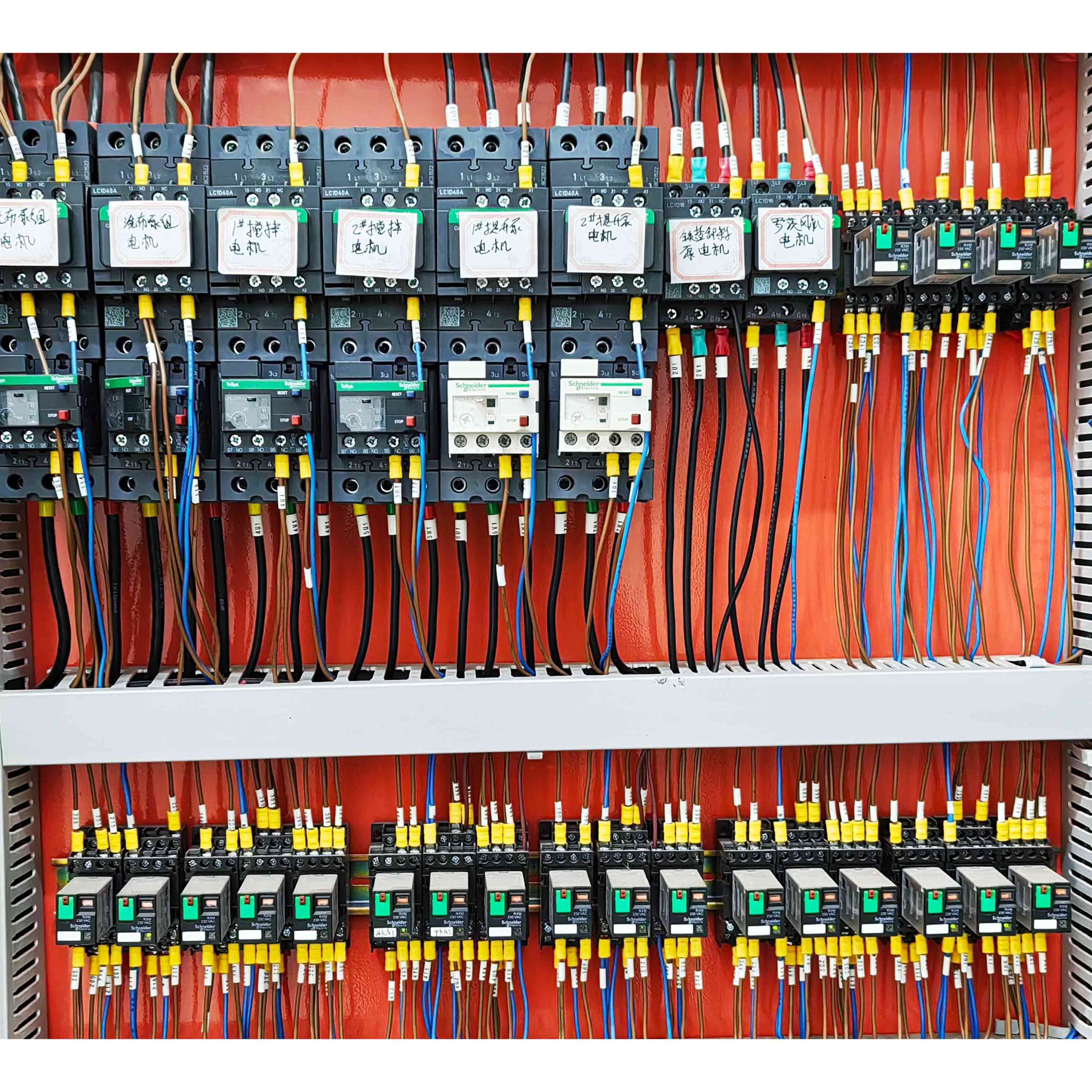
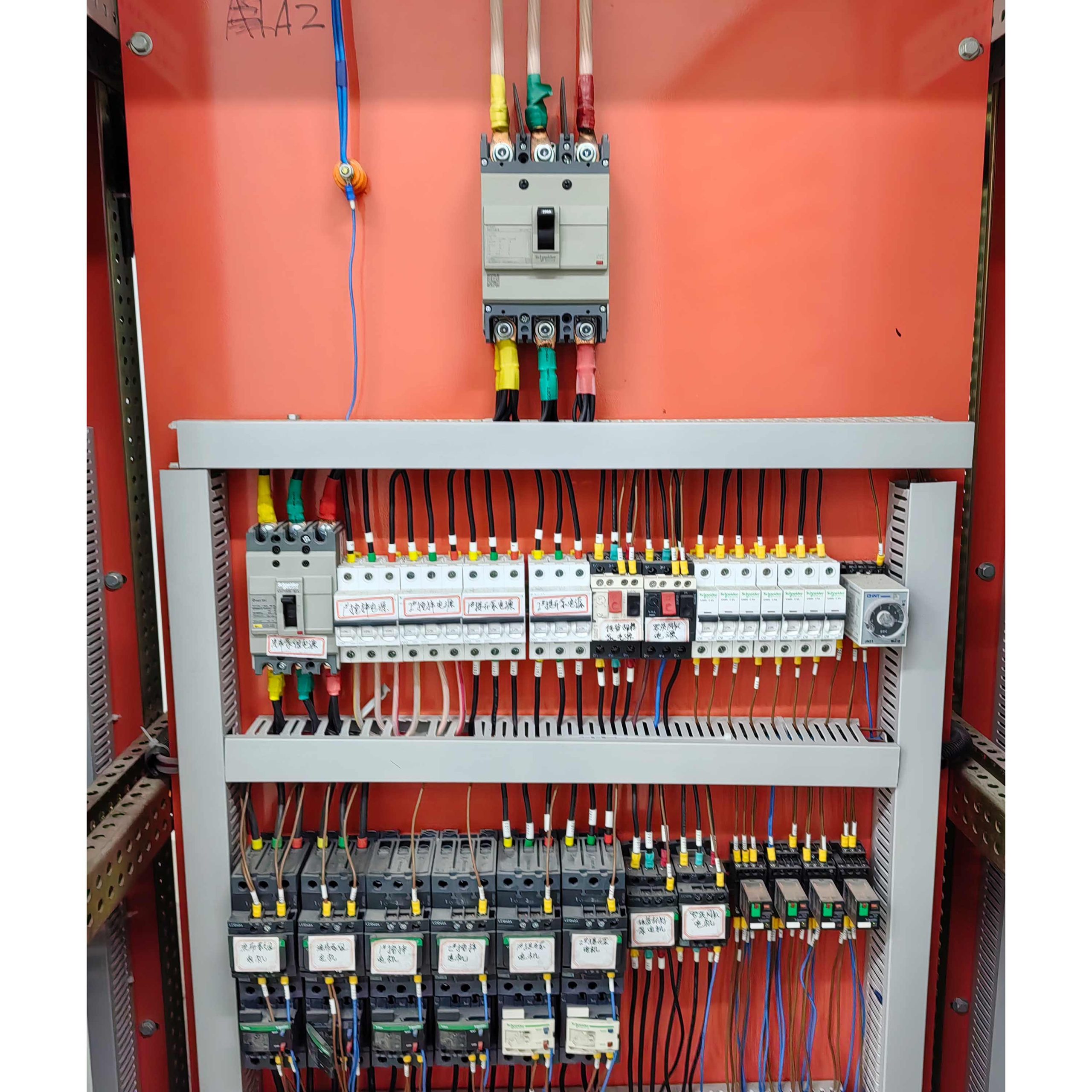
A control panel is where field signals are collected, logic is executed and commands are sent to motors, valves and heaters. “Precision” means the details are engineered rather than improvised: correct component ratings, clear separation of power and control wiring, consistent wire numbering, sufficient cooling and documentation that matches what is inside. That is what makes a panel safe to operate, easy to troubleshoot and reliable for many years.
What Can Be Inside
| Component group | Typical items |
|---|---|
| Incoming and protection | Main isolator, MCBs, MCCBs, fuses, surge protection, RCDs |
| Control power | 24 V DC power supplies, control transformers, UPS |
| Logic | PLC CPU and I/O, safety relays, timers, control relays |
| Motor control | Contactors, overload relays, soft starters, VFDs |
| Operator interface | HMI touch screen, push buttons, selector switches, pilot lights |
| Connections | Terminal blocks, cable glands, marshalling for field wiring |
| Environment | Filtered fans, heat exchangers, air conditioners, heaters, thermostats |
Key Features
- Engineered to your schematic – or designed by our engineers from your requirements.
- Clean, traceable wiring – wire numbers, ferrules and labels that match the drawings exactly.
- Thermal design – heat-loss calculation and cooling sized for the site’s maximum ambient temperature.
- Safety built in – door-interlocked isolators, finger-safe terminals, emergency stop and safety relay circuits where required.
- Spare capacity – typically 10–20% spare I/O and free mounting space for future changes.
- Brand flexibility – PLC, drive and component brands selected to match your site standard.
Applications
- Machine and skid control for OEMs
- Pump, fan and compressor control in water, HVAC and process plants
- Conveyor and material handling systems in mining and manufacturing
- Remote I/O and instrument panels near field equipment
- Retrofit panels replacing obsolete relay logic
Enclosure Options
Wall-mounted, floor-standing and multi-bay enclosures in painted steel or stainless steel, with protection ratings from IP54 for clean indoor rooms up to IP65/IP66 for outdoor or wash-down areas. Options include sun shields, canopy roofs, anti-condensation heaters, viewing windows and lockable doors.
Standards, Testing and Documentation
Panels are designed to IEC 61439 and IEC 60204-1 for machinery where applicable, with UL 508A or other requirements applied when your project specifies them. Every panel is inspected and tested — continuity, insulation resistance, functional tests of control circuits and interlocks — and delivered with schematics, layouts, bills of materials, terminal lists and test records. For PLC-based panels, see our PLC control cabinet guide and PLC/DCS cabinets.
Our Build Process
- Review of schematics, I/O list and site conditions
- Panel layout and component selection, submitted for approval
- Assembly, wiring and labelling in our factory
- Inspection, testing and optional factory acceptance test
- Packing, shipping and commissioning support
Common Problems We Design Out
- Overheated drives and power supplies caused by undersized enclosures or missing cooling.
- Noise on analog signals caused by running instrument cables next to motor cables.
- Unclear or missing labels that slow down fault finding.
- No spare terminals or space, forcing messy modifications later.
- Drawings that do not match the as-built panel.
What to Send for a Quotation
- Schematics or a description of the control functions
- I/O list and motor list with ratings
- Preferred component brands
- Enclosure type, material, IP rating and site conditions
- Quantity and delivery date
Need something different? See custom automation solutions or request a quote.
Why Choose Danli
Our design engineers, panel builders, software engineers and test technicians work under one roof, so the panel you receive has been designed, built, programmed and tested by one team. That makes interfaces cleaner, documentation more accurate and commissioning faster. We use genuine components from the brands you specify, keep records of every build for spare parts and future changes, and provide English documentation for export projects. Our after-sales team supports panels throughout their service life, from spare parts to upgrades.
Typical Project Example
A water utility needs control panels for six identical booster pump stations. We prepare one standard design with a PLC, HMI, two VFD-fed pump starters, level and pressure inputs, surge protection and a cellular telemetry modem, approved once by the client. All six panels are then built from the same drawings, tested together at our factory with simulated signals, shipped with identical documentation and spare parts, and commissioned station by station. Standardising the design this way cuts engineering time, simplifies operator training and keeps spare parts to a minimum.
Maintenance Tips
Simple routine checks keep control panels reliable: clean or replace fan filters every three to six months, check that fans, heaters and thermostats work, re-tighten power terminals during planned shutdowns, look for moisture or corrosion, and keep up-to-date backups of PLC and HMI programs. Recording each change on the drawings keeps the documentation useful for the next technician.
Frequently Asked Questions
What is the difference between a control panel and a distribution board?
A control panel runs logic and controls machines — relays, PLCs, contactors and HMIs — while a distribution board mainly protects and distributes power to circuits. Many projects combine both functions.
Can you build panels to our drawings?
Yes. We build to customer drawings and component lists, or develop the complete design for you, following your standards and labelling rules.
Which enclosure materials are available?
Painted mild steel, stainless steel (304 or 316) and other materials for corrosive or outdoor locations, in wall-mounted or floor-standing formats.
Do you test panels before shipping?
Yes. Every panel receives wiring checks, insulation tests and functional tests of its control circuits, and a factory acceptance test can be witnessed on request.