Water treatment automation from Danli: PLC/DCS control, power distribution and energy management that make treatment plants and pumping stations safer, more efficient and more reliable.
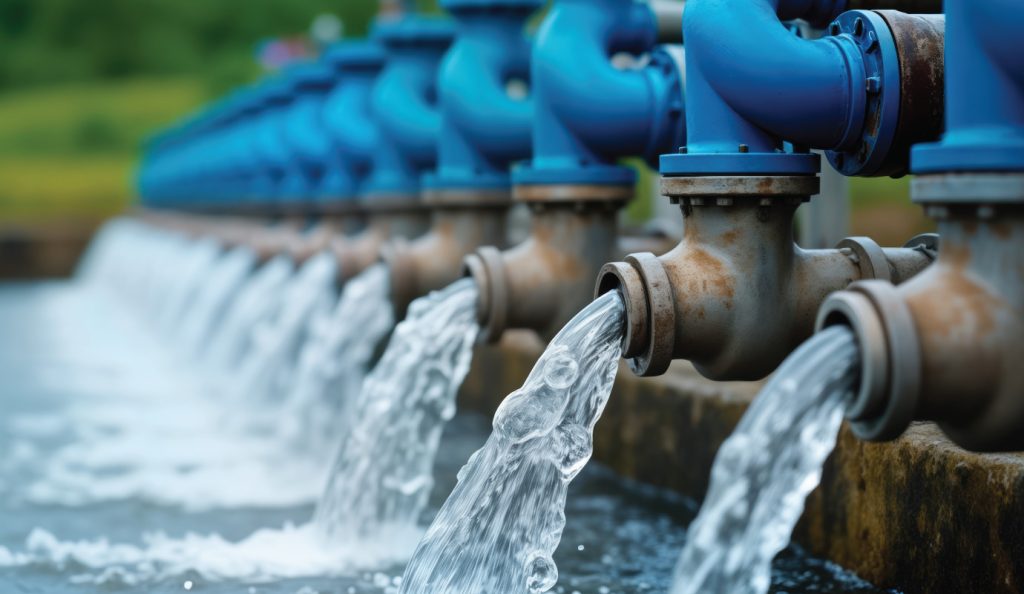
The water treatment industry faces continuous pressure in areas such as ensuring water supply safety, improving treatment efficiency, reducing operational energy consumption, and addressing aging equipment upgrades. Its power distribution and automation systems require digital and intelligent transformation to achieve stable operation, energy optimization, and refined management.
Intelligent monitoring and control throughout the entire process:
Full-process intelligent monitoring and control: Real-time monitoring of electrical and process parameters for key equipment such as pumps, aeration systems, dosing systems, and filters, enabling reliable control and energy efficiency optimization across the entire water treatment process.
Predictive maintenance and asset management: Based on equipment operation data and models, it provides early warnings of failures, develops maintenance plans, extends the lifespan of core assets, and reduces the risk of unexpected downtime.
Predictive Maintenance & Asset Management: Provide early fault warnings and develop maintenance plans based on equipment operation data and models, extending the lifespan of core assets and reducing the risk of unplanned downtime.
Energy efficiency management and carbon reduction support: Energy consumption analysis and optimization control of high-energy-consuming links (such as pump sets and fans) to help water plants achieve energy conservation, consumption reduction and sustainable operation.
Energy Efficiency Management & Carbon Reduction Support: Conduct energy consumption analysis and optimized control for high-energy-consuming processes (such as pump units and fans), helping water treatment plants achieve energy savings, consumption reduction, and sustainable operation.
The integrated solution covers all electrical aspects from water intake and treatment to transportation, providing integrated solutions including high and low voltage power distribution, motor control, and automation systems to ensure the safe and reliable operation of the water system.
Integrated Solution Coverage: Provide integrated solutions covering the entire electrical chain from water intake, treatment, to distribution, including high and low voltage power distribution, motor control, and automation systems, ensuring safe and reliable operation of the water system.
Digital power distribution solutions for smart water treatment plants
Intelligent monitoring and dispatching system for pumping stations and pipeline networks
Water treatment process automation and energy efficiency management platform
Each process area — intake, dosing, filtration, disinfection, storage and distribution pumping — is controlled by its own PLC cabinet, so a fault in one area never stops the whole plant. The cabinets are linked over an industrial Ethernet network to a central SCADA system in the control room, which shows the entire plant, manages alarms, stores trends and produces daily reports.
| Process area | What we automate |
|---|---|
| Raw water intake | Duty/standby pump control, screen cleaning, low-level protection |
| Coagulation and dosing | Flow-paced chemical dosing, mixer control, dosing alarms |
| Filtration | Automatic backwash sequences, valve control, head-loss monitoring |
| Disinfection | Chlorine residual control and analyser alarms |
| Clear water storage | Level-based pump control, overflow and dry-run protection |
| Distribution pumping | VFD constant-pressure control, pump rotation, surge-limiting soft stops |
We supply the full electrical system as well as the controls: medium voltage switchgear for the incoming supply, low voltage switchgear and motor control centres for the pumps, and VFD cabinets that match pump speed to demand. Variable-speed pumping keeps network pressure steady, reduces water hammer and is one of the most effective ways to lower a plant’s energy bill.
Online monitoring of breakers, motors and energy meters gives operators real-time data for preventive maintenance and for reporting energy use per cubic metre of water produced.
Read more about the technology in our guides to waterworks automation, PLC control cabinets and PLC vs DCS.
Water plants run continuously and are often in humid, corrosive or remote locations. We design for that from the start:
Our cabinets are built and tested under the quality system shown on our certifications page, and every project ships with full drawings, I/O lists and test records.
It controls intake and high-lift pumps, chemical dosing, filtration and backwash sequences, disinfection, reservoir levels and distribution pressure, and reports alarms and data to SCADA.
Both. Most water and wastewater plants use PLC cabinets with SCADA; very large works may use a DCS. We select the platform to match your site standards and plant size.
Yes. Old relay panels and obsolete PLCs can be replaced in stages, keeping the plant running, with new cabinets, VFDs and SCADA screens.
A process description or P&ID, the I/O list or equipment list, motor ratings, supply voltage, preferred PLC brand and site conditions.
From a single control cabinet to full plant-wide automation.
Custom power distribution & automation control systems — high-voltage to intelligent PLC/DCS.
Zhejiang Danli Intelligent Control Technology Co., Ltd.
Est. 2013 · Hangzhou, China · National High-Tech Enterprise
© 2026 Zhejiang Danli Intelligent Control Technology Co., Ltd. All rights reserved.